Last Updated: November 4, 2026
Quick Summary
Protanic vs petroleum equipment is a choice between two different services. A compliance-testing provider inspects tanks, lines and leak detectors and produces regulator-ready documentation, while an equipment supplier sells the hardware you install. If your site is red-tagged or facing a compliance deadline, start with testing; buy equipment only when the report calls for it.
- A compliance-testing provider produces test results and documentation; an equipment supplier distributes pumps, valves, dispensers and tank hardware.
- Testing answers whether your system passes; equipment answers what you need to install.
- A testing provider never takes title to your tank system, while an equipment supplier transfers hardware ownership to you.
- Ask each provider to put scope, exclusions and deliverables in writing before committing.
- Let the test report define the equipment scope, not the other way around.
Table of Contents
- Protanic and Petroleum Equipment Distributors: What Each Actually Does
- Side-by-Side Comparison: Service Scope, Equipment, and Contract Models
- EPA 40 CFR 280 Compliance Testing: Which Option Covers Your Obligations
- Fuel System Red-Tag Resolution: Speed, Documentation, and Cost of Downtime
- Choosing Your Petroleum Equipment Service Provider: A Decision Guide by Facility Type
- Frequently Asked Questions
Protanic and Petroleum Equipment Distributors: What Each Actually Does
USTEX LLC focuses on one question for Wisconsin fuel sites: when a red tag hits, what does the site actually need? Our answer starts with a distinction most buyers miss. A compliance-testing provider tells you whether your tanks, lines and leak detectors meet the rules. An equipment supplier sells you the hardware that stores and dispenses fuel. They solve different problems, and mixing them up costs money. The Protanic vs petroleum equipment decision begins with knowing which problem you have. Once the site’s compliance needs are clear, fuel reporting tools can help keep fuel transactions distinct from the equipment and testing decisions that protect the site.
Quick verdict: If your site is red-tagged or facing a compliance deadline, you need a testing provider first. If you are replacing or buying dispensing hardware, you need an equipment supplier. Most sites eventually need both.
Compliance-testing provider vs. equipment supplier
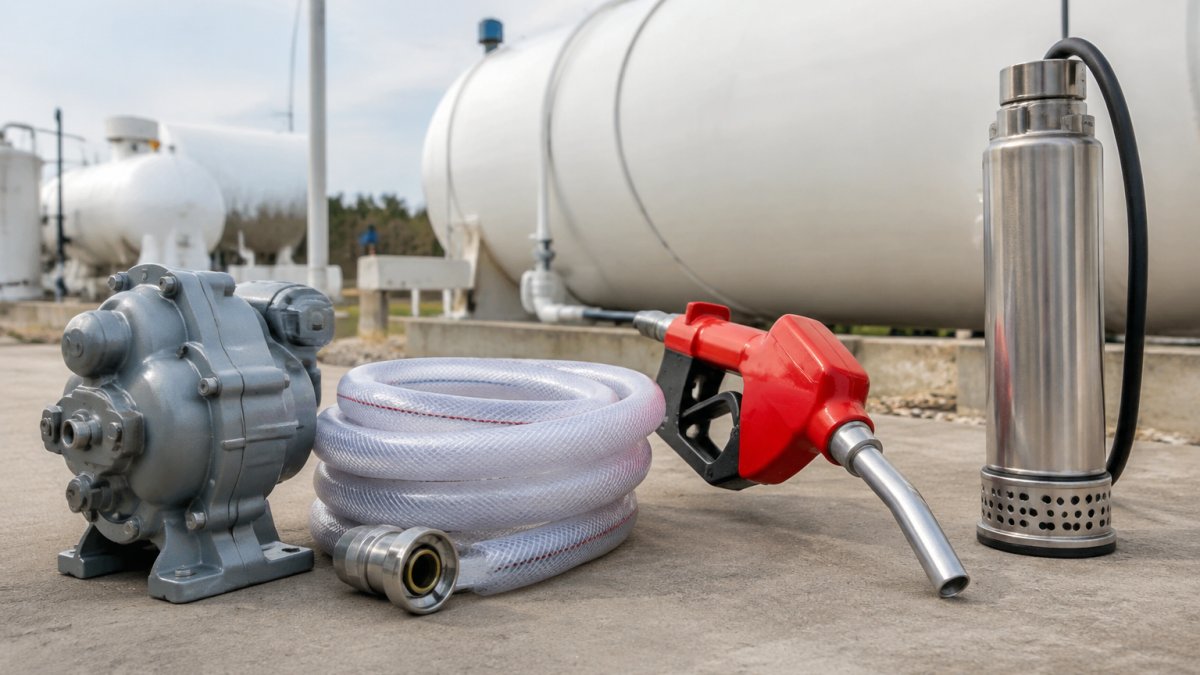
A compliance-testing provider inspects existing underground storage tanks, lines and leak detection systems. It produces the documentation regulators review. An equipment supplier distributes physical components such as pumps, valves, dispensers and tank hardware.
The practical question is what you are buying. Testing answers "does my system pass?" Equipment answers "what do I install?" Confusing the two can leave a red tag unresolved while you spend on parts that never addressed the citation.
Side-by-Side Comparison: Service Scope, Equipment, and Contract Models
The table below compares the two on the criteria a site operator weighs: what you receive, who owns the asset, how you pay, and what recurs.
| Criteria | Compliance-testing provider (e.g., USTEX LLC) | Petroleum equipment supplier |
|---|---|---|
| Primary deliverable | Test results, inspection reports, and regulator-ready documentation | Physical hardware: pumps, valves, dispensers, tank hardware, leak detectors |
| Asset ownership | You own the tank system; the provider tests it | You purchase and own the equipment; the supplier transfers title |
| Typical trigger | Red tag, permit renewal, annual or triennial compliance cycle | Repair, replacement, upgrade, or new construction |
| Scope boundary | Testing and documentation only; no parts, no installation | Equipment supply, and sometimes installation or project support |
| Contract model | Per-site testing engagement, often scheduled annually | Per-project quote, often tied to a bill of materials |
| Pricing visibility | Quote-based; depends on number of tanks, lines, and detectors | Quote-based; catalog list prices rarely published for full systems |
| Recurring cost | Testing recurs on the regulatory cycle | Maintenance, calibration, and replacement recur on the equipment lifecycle |
| Conflict of interest | Independent testing firm has no incentive to find a failure | Supplier may also sell the repair, so scope should be stated in writing |
| Best for | Owners who need documented compliance evidence | Operators replacing or expanding physical infrastructure |
What the rows actually mean at a site. The ownership row matters because a testing provider never takes title to your tank system, it produces evidence about a system you already own.
Ask each provider to put scope, exclusions, and deliverables in writing before you commit, because the boundary between "tested" and "repaired" is where budgets slip.
Total cost of ownership. Comparing the two on sticker price alone can miss that testing spend buys evidence while equipment spend buys an asset.
Watch out: A firm that both tests and repairs can have an incentive to find failures; if you use one firm for both, ask for the test report and the repair quote as separate documents.
EPA 40 CFR 280 Compliance Testing: Which Option Covers Your Obligations
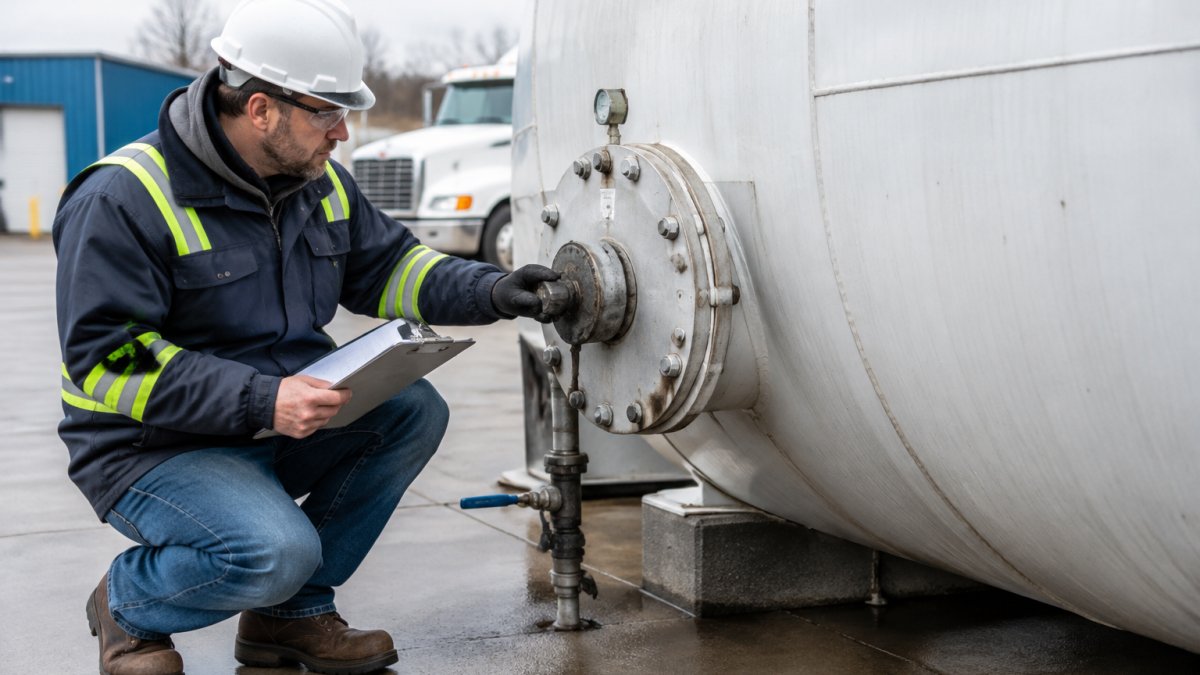
Underground storage tank rules under EPA 40 CFR Part 280 require owners and operators to demonstrate that their systems are performing and monitored. Those obligations are a testing and documentation question. EPA underground storage tank regulations, 40 CFR Part 280
A testing provider addresses these obligations directly, because it produces the evidence an inspector reviews. Equipment suppliers supply components, but they do not generate the test results themselves. Wisconsin sites should also confirm state-level requirements, since state programs can add steps beyond the federal baseline. USTEX LLC is a DATCP licensed specialty firm (#560989).
Watch out: a passing test on a single component does not close a red tag if the other monitored parts of the system were not documented. Ask for coverage of the full system before scheduling.
Fuel System Red-Tag Resolution: Speed, Documentation, and Cost of Downtime
A red tag stops sales, and every day the pumps are down costs revenue. The fastest path back to operation depends on documentation the agency will accept on first review. A rejected report means another visit.
USTEX LLC gives priority scheduling to red-tagged sites and provides documentation with the raw test data appended. An equipment supplier can help if the inspection finds a failed component, but the red tag itself is cleared by documented testing. The release investigation and tank integrity testing page covers the scope used to investigate suspected releases and unresolved alarms, and how USTEX coordinates that scope with your site contacts.
For a step-by-step view of urgent service, see how to get urgent fuel tank inspection services, which covers booking, documents to prepare and what a usable report contains.
Choosing Your Petroleum Equipment Service Provider: A Decision Guide by Facility Type
This guide offers three questions to help decide which type of provider your site needs, then maps the answers to common facility profiles.
Three questions that decide it.
- Is there an open compliance obligation? A red tag, a permit renewal, or a scheduled annual test is a testing question. The deliverable is a report an inspector will accept, not a part.
- Is there a known hardware failure or an expansion? A failed component, a planned replacement, or a new build is an equipment question. The deliverable is hardware and, often, installation.
- Who owns the asset and the risk? If you own the tank system, you own the compliance obligation and need testing evidence. If you are buying equipment, you are taking on the maintenance and calibration lifecycle that follows the purchase.
Regulatory variation to confirm before you choose. Federal rules under EPA 40 CFR Part 280 set the baseline for underground storage tank testing and monitoring, but state programs can add steps, deadlines, and documentation formats beyond that baseline. EPA underground storage tank regulations, 40 CFR Part 280 The practical implication is that a provider's report format should match what your reviewing agency expects, and that expectation can vary by state and by facility type.
Decision guide by facility type.
- Gas station or convenience store with a red tag: Start with compliance testing. Priority scheduling and a report format the agency accepts on first review matter more than equipment catalog breadth. Bring in an equipment supplier only if the report identifies a failed component.
- Fleet depot needing annual tank documentation: Choose a testing provider for the recurring compliance cycle. Buy equipment only when a test identifies a failure, and keep the test report and the repair quote as separate documents.
- Municipal site managing transit or emergency fueling: Confirm the provider can document work for public-sector review, and separate hardware procurement from compliance testing so each contract has a clear scope.
- Industrial EHS manager overseeing on-site storage: Use an independent testing firm for third-party verification, and keep it separate from any repair contractor to avoid a conflict of interest.
- Engineering firm needing diagnostic testing for a client: Choose a testing provider that works independently and does not sell repairs on the same job, so the diagnostic result is defensible.
When you need both. Many sites eventually need testing and equipment, but the sequence matters. Testing first establishes what is actually failing; equipment second addresses the failure. Reversing the order, buying parts before the test, is a common way to spend on hardware that never addressed the citation.
For a direct look at what the testing covers, see the Wisconsin underground storage tank compliance testing service. If your site relies on line leak detectors, see the line leak detector testing service.
Ready to start? Request site dispatch from USTEX LLC and tell us whether your site is red-tagged or on a routine compliance cycle.
Frequently Asked Questions
What services does Protanic provide for fuel storage tanks?
Readers comparing options should confirm the exact test methods, reporting format, and service area with any provider directly before scheduling work.
How do independent petroleum equipment testers differ from national service providers?
Independent testers typically offer direct access to the person performing the testing and reporting, which can speed up questions and corrections. National providers may offer wider geographic coverage and larger crews, but staff may be less familiar with local permitting offices. Independent firms can avoid conflicts of interest when they do not sell repairs or construction work. Compare response times, who signs the report, and whether the firm handles agency communication before choosing.
What are the EPA 40 CFR 280 requirements for underground storage tank testing?
EPA 40 CFR Part 280 sets federal technical requirements for underground storage tanks, including release detection, corrosion protection, and spill and overfill prevention. Owners and operators must follow these rules, and states may apply additional requirements. In Wisconsin, the Department of Agriculture, Trade and Consumer Protection oversees petroleum storage compliance testing. Verify the current testing frequency and method for your tank type with your state regulator, since requirements can change.
Why is state licensure important for petroleum equipment compliance testing?
State licensure confirms that a testing firm has met the qualifications the regulator requires for performing compliance work. Reports from unlicensed testers may be rejected, which can delay permit renewals or keep a site red-tagged. In Wisconsin, DATCP licensing is a key credential to confirm before hiring. Ask any provider for their license number and check it against the state record before authorizing work.
What should I look for when hiring a fuel system testing company?
Look for a state license, documented experience with your tank and piping types, and a clear statement of what the report includes. Confirm whether the firm provides same-day documentation in the format your reviewing agency requires, and whether raw test data is included. Ask whether the company does any repair or construction work, since that can create a conflict of interest. Finally, ask who handles follow-up with regulators and what the backup plan is if the primary technician is unavailable.
